
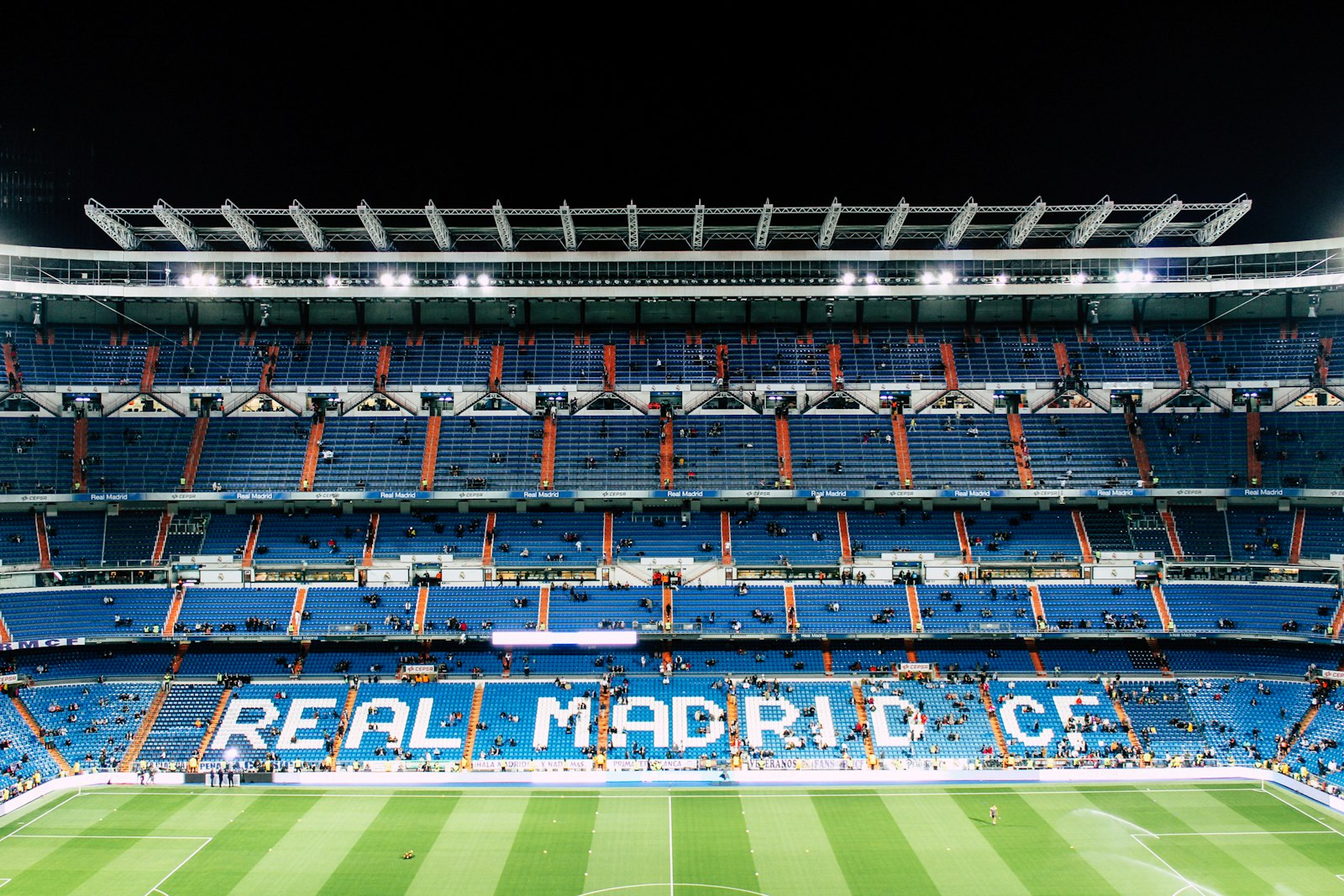
When Spain chose Chattanooga's Baylor School as their base camp for the 2026 FIFA World Cup, the whole city felt the energy. But for those of us who fly drones professionally, the tournament brought something else: the most complex temporary flight restriction (TFR) environment most of us have ever navigated.
Here's what happened, what the airspace looked like, and what it taught us about flying during major events — right here in our backyard.
Spain in the Scenic City
Spain's national team arrived in Chattanooga in early June 2026, using Baylor School as their training base from June 5 through June 30 before relocating to Los Angeles. The team went on to win the World Cup final on July 20 — and Chattanooga was part of that story.
But hosting a World Cup team means more than welcome banners and hotel bookings. It means federal security zones — including restricted airspace — that affect every drone operator in the area.
The Three-Tier TFR System, Explained
A TFR is a Temporary Flight Restriction — essentially a "no-fly zone" that the FAA (Federal Aviation Administration) puts in place for a specific time and area. Think of it as a temporary red box on the airspace map: if your drone is inside it without authorization, you're breaking federal law.
For the World Cup, the FAA established nearly 250 individual TFRs across all host cities, team bases, and event sites. They came in three tiers:
Tier 1: Stadium Match Zones
- Radius: 3 nautical miles around each host stadium
- Altitude ceiling: 3,000 feet above ground level (AGL)
- What it means: All drone flights — commercial and recreational — are prohibited. No exceptions without a federal waiver.
Tier 2: Fan Festivals and Base Camps
- Radius: 1 nautical mile around official fan festival sites and team base camps
- Altitude ceiling: 1,000 feet AGL
- What it means: Even outside the stadium, if you're near a fan zone or a team's designated base, you're restricted.
Tier 3: Team Hotels and Training Sites
- What it means: Additional restricted areas around where teams stayed and trained — including right here in Chattanooga while Spain was in town.
These TFRs activated several hours before each event and remained in effect until after crowds dispersed. For a pilot like me, that meant checking the B4UFLY app and tfr.faa.gov every single morning before any flight.
What Happened When Pilots Ignored the Rules
The enforcement was not theoretical. The FBI and Department of Homeland Security deployed ground intercept teams at every venue. By the end of the tournament, more than 700 drones were seized — and nearly 1,600 unauthorized drone signals were detected in restricted airspace.
Penalties included:
- Civil fines up to $75,000 per violation
- Drone confiscation on the spot
- Criminal prosecution in serious cases
- Certificate suspension for Part 107 pilots who should have known better
Let that sink in: seven hundred drones confiscated. That's not a warning letter — that's federal agents walking up to you and taking your equipment.
How It Affected Chattanooga Pilots
While Chattanooga wasn't a match venue, Spain's presence here meant Tier 2 and Tier 3 restrictions were active around their base camp and training facilities. If you had a real estate shoot, a construction survey, or any commercial drone job near the Baylor School area during June, you needed to know about these restrictions — or risk flying into a federal no-drone zone.
This is exactly where having a professional pilot matters. At Lookout Visuals, we monitor TFRs as part of every single pre-flight checklist. When the World Cup restrictions were active, we:
- Checked TFRs daily via B4UFLY and the FAA TFR map
- Adjusted flight schedules for clients whose job sites fell near restricted areas
- Communicated proactively with clients about any delays or rescheduling
The client never has to think about airspace. That's our job.
The Lesson
The 2026 World Cup was a landmark moment for drone enforcement in the United States. It proved that the federal government takes unauthorized drone flights seriously — and that the consequences for ignoring TFRs are real, expensive, and potentially criminal.
If your business ever needs drone content during a major event — a World Cup, a presidential visit, a stadium game — you need a pilot who knows how to navigate the airspace. Not someone who bought a drone last week and figures they'll "just fly carefully."
That's not how it works. The airspace doesn't care about good intentions.
Planning a project that might be affected by airspace restrictions? Request a quote or schedule a call with Lookout Visuals. We handle the TFRs, the waivers, and the coordination — you just tell us what you need to see.